

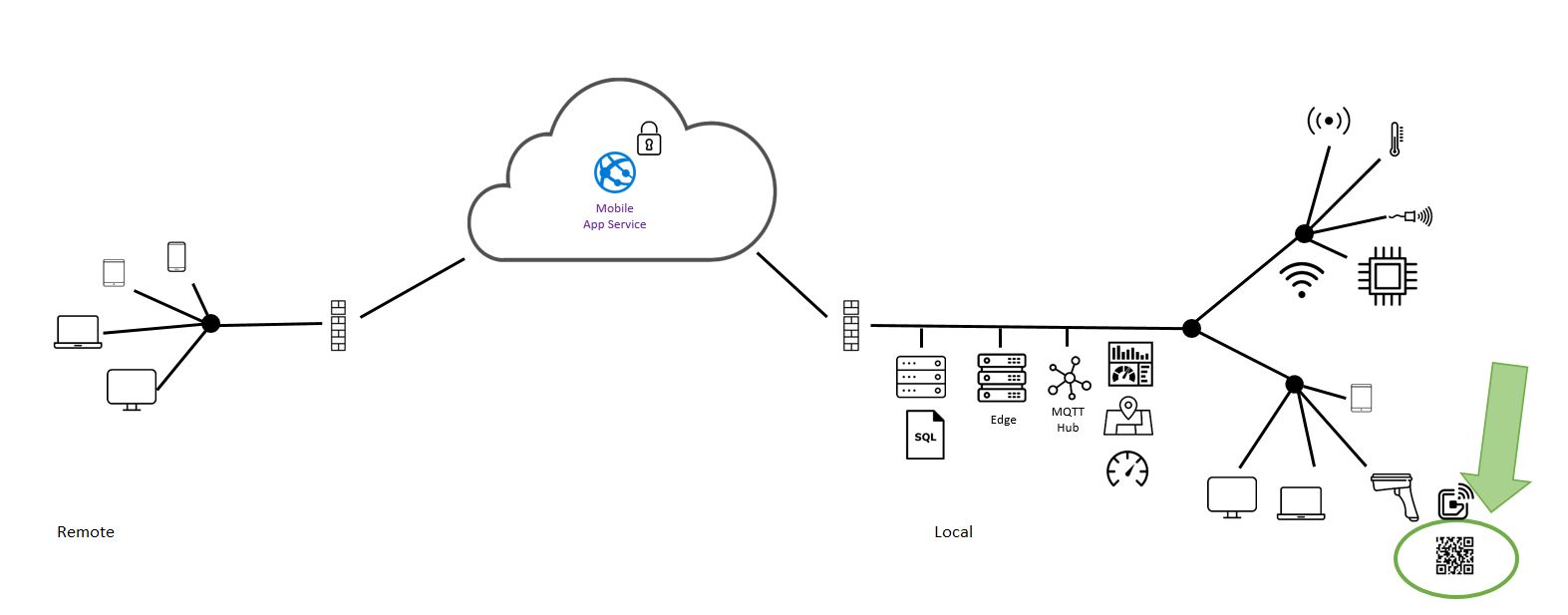
Non Android devices play an important role in the communication flow of data from labels/sensors through to functions and storage.

There are 100’s of development board devices available. Each device has a production chip-set with basic accessories to get a prototype started, such as USB, Wi-Fi and pin connections to other things which is why they are big. The device often plugs into other boards that have even more accessories e.g. Bluetooth, GPS, GSM.
Over time the devices have improved with better chips-sets and more accessories that are tightly integrated to make things easier. Chip-set manufacturer Espressif has these two generations, ESP8266 and the newer ESP32. Both chip-sets are available in many development boards. ESP8266 is $2~16, ESP32 is $25~100.
ESP8266 development challenging once you add the requirement for secure communications. ESP32 is faster, larger capacity, more stable firmware, more capability and development is easier with security a feature. There is a wide range of development boards using ESP32, link.
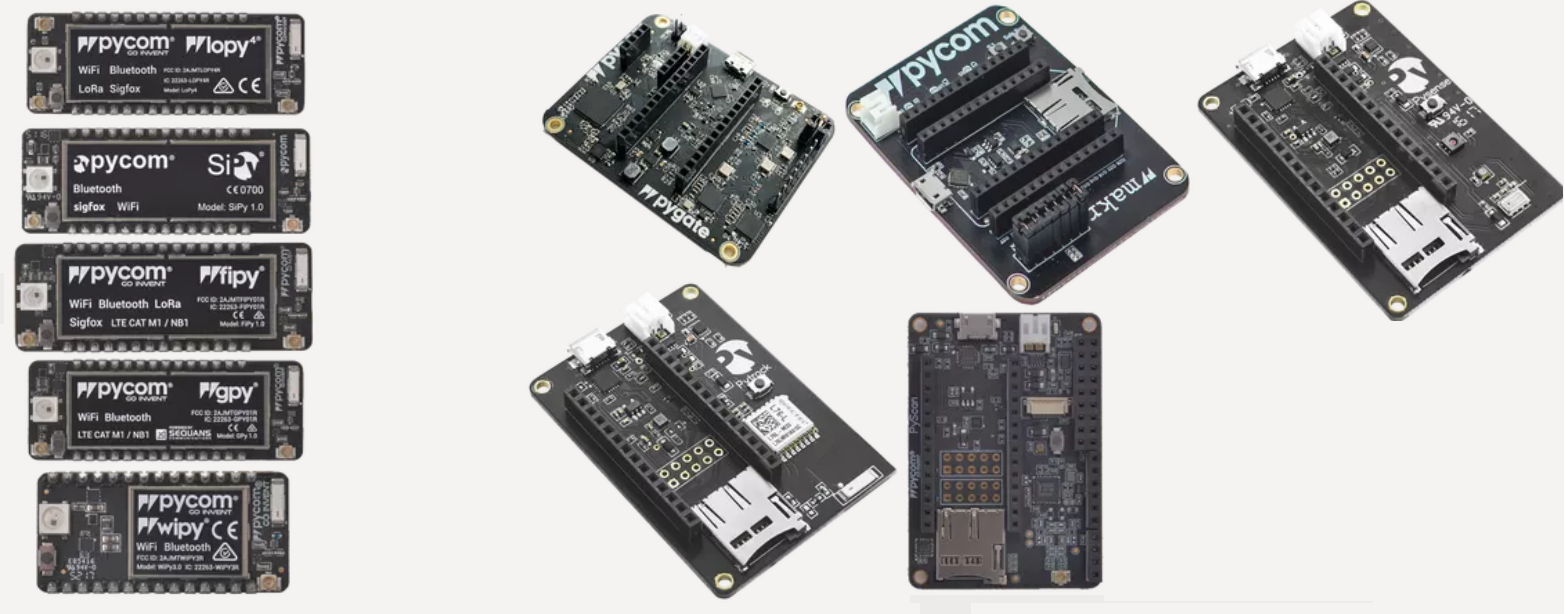
Pycom is my preferred choice. There is a range of devices with a combination of network communication methods as well as a range of plug in boards for sensing, scanning or tracking. The software development environment is good and there is local supply
Example 11 IoT Device, will configure a device to take a real world sensor value and create a message to a MQTT hub and onward to a function, visualisation and storage.

Courage is what it takes to stand up and speak; Courage is also what it takes to sit down and listen. :- W Churchill






 Industry 4.0 Prototyping